Why Hiring a Local Radon Contractor Matters for Your Home
The Hidden Risk Under Your Home
When I bought my first house in York County, Pennsylvania, radon was the last thing on my mind. The realtor mentioned it once during the inspection period, but I nodded along without really listening. It wasn't until a friend of mine, Dan Jenkins, who runs a radon mitigation service here, pointed out that my basement had a musty smell that could be a sign of soil gas intrusion that I started paying attention. That conversation led me to learn more about radon than I ever expected, and it taught me why choosing a local radon contractor is one of the smartest decisions a homeowner can make.
Radon is a naturally occurring radioactive gas that comes from the decay of uranium in soil and rock. It seeps into homes through cracks in the foundation, gaps around pipes, and other openings. The EPA estimates that radon causes thousands of lung cancer deaths each year in the United States, making it a serious health concern. But here is the thing: testing for radon is simple, and fixing the problem is usually straightforward if you work with someone who knows the local geology and construction practices.
What Makes a Local Radon Contractor Different
You might be tempted to hire a national company or a general handyman to install a radon mitigation system. I have seen homeowners go that route, and the results are often disappointing. A national chain might send a crew from another state who does not understand the specific soil conditions in your area. A handyman might install a vent pipe system that looks fine but fails to reduce radon levels because it is not designed for your home's foundation type. That is where a local radon contractor brings real value.
A local contractor like Dan Jenkins has worked on dozens of homes in your county. He knows whether the soil tends to be sandy or clay-heavy, whether basements here are prone to flooding, and which radon fan models hold up best in Pennsylvania's humid summers. He also understands local building codes and the requirements for radon-resistant new construction if you are building a home. This kind of knowledge does not come from a training manual; it comes from years of hands-on experience in the same region where you live.
The Science Behind Radon Mitigation
Before any work begins, a good contractor will insist on radon measurement. This usually means placing a radon test kit in the lowest livable level of your home for a set period, often 48 hours to 90 days depending on the type of test. Short-term tests give a quick snapshot, but a continuous radon monitor can provide ongoing data and alert you to spikes. The EPA recommends action if radon levels are at or above 4 picocuries per liter (pCi/L). In my experience, many homes in York County test above that threshold, especially those built on rocky soil with a crawlspace.
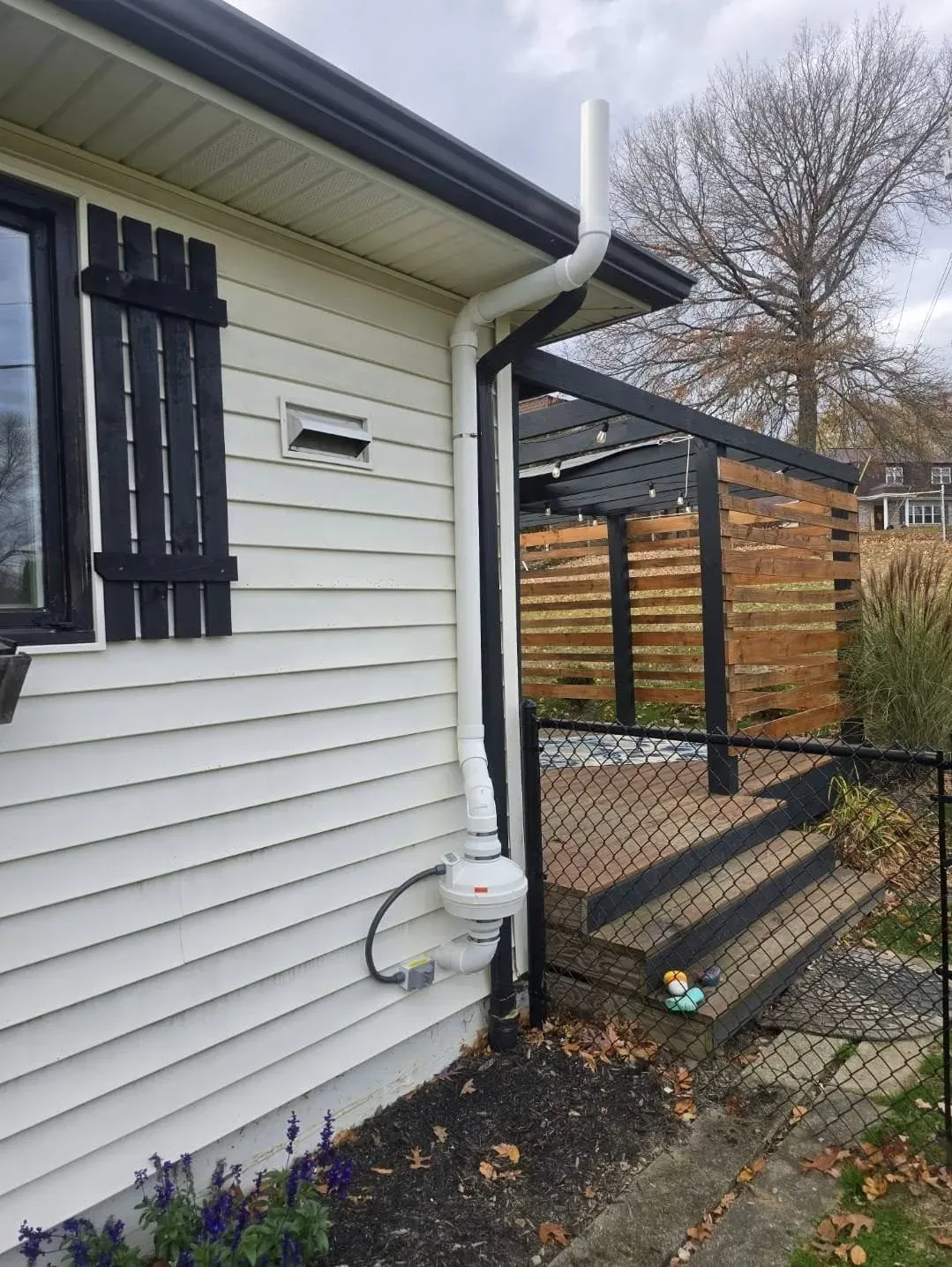
Once the test confirms a problem, the most common fix is active soil depressurization, also called sub-slab depressurization. A contractor drills a small hole in the basement floor or through the crawlspace, inserts a pipe that extends down into the gravel layer beneath the slab, and connects that pipe to a radon fan mounted outside the home. The fan creates a vacuum that pulls soil gas from under the house and vents it safely above the roofline. If your home has a sump pump, the contractor might use that as an access point instead of drilling a new hole. The whole system is quiet, unobtrusive, and usually takes less than a day to install.
Why Basement Sealing Matters
Some homeowners think that sealing every crack in the basement floor will keep radon out. That approach does not work well on its own. Concrete shrinks and cracks over time, and no amount of basement sealing can stop all soil gas entry. But when combined with a vent pipe system, sealing helps the radon mitigation system work more efficiently by reducing the amount of air the fan has to pull from inside the house. A skilled contractor will tell you that sealing is a support measure, not a cure.
What to Look for in a Radon Contractor
When you start looking for a local radon contractor, ask about certifications. The National Radon Proficiency Program (NRPP) and the Pennsylvania Department of Environmental Protection (DEP) both require contractors to pass exams and complete continuing education. Dan Jenkins holds these certifications, and he recommends that homeowners check for them. Another useful credential is the PHRST (Pennsylvania Home Radon Service Technician) designation, which is specific to the state and shows that the contractor understands local regulations.
You should also ask about the equipment they use. A quality radon fan should be rated for continuous operation and come with a warranty. The vent pipe should be schedule 40 PVC or similar durable material. Some contractors use cheaper fans that burn out after a year or two, leaving you with a non-functional system. A reputable local radon contractor will stand behind their work and offer a post-installation test to confirm that radon levels have dropped below the EPA action level.
Real-World Experience: A Crawlspace Challenge
I remember helping a neighbor whose home had a crawlspace instead of a full basement. The soil gas was entering through the dirt floor, and radon levels were above 20 pCi/L. A national company quoted them a system that involved sealing the entire crawlspace with plastic sheeting, which would have cost thousands and still might not have worked well. Dan Jenkins took a different approach. He installed a sub-slab depressurization system by digging a small trench in the crawlspace, laying a perforated pipe in a gravel bed, and running a vent pipe to a radon fan outside. The total cost was a fraction of the other quote, and radon levels dropped to 1.5 pCi/L within a week. That is the kind of practical solution that comes from experience.
The Cost-Benefit of Professional Installation
Some people try to install a radon mitigation system themselves to save money. I understand the impulse, but radon mitigation is not a weekend DIY project. Mistakes in fan placement, pipe sizing, or system design can leave you with a system that does not work or, worse, pulls radon from one part of the house and releases it into another. A professional radon mitigation installer has the tools to measure pressure differences, the knowledge to choose the right fan size, and the experience to avoid common pitfalls. In the long run, paying a qualified contractor is cheaper than fixing a botched installation.
Another advantage of working with a local contractor is ongoing support. If your radon fan makes a strange noise two years after installation, you want someone who can come by within a day or two, not someone who has to fly in from out of state. Dan Jenkins offers a warranty on his work and encourages homeowners to test their radon levels every two years or after major renovations. That kind of relationship is hard to get from a distant company.
Radon-Resistant New Construction
If you are building a new home in Pennsylvania, ask your builder about radon-resistant new construction techniques. These include placing a layer of gravel beneath the slab, installing a vapor barrier, and running a vent pipe from the sub-slab gravel up to the roofline. Even if the pipe is not connected to a fan initially, it makes future mitigation much easier and cheaper. A local radon contractor can advise your builder on the best approach for your lot, since soil radon potential varies widely even within a single county.
Testing After Mitigation
After a mitigation system is installed, you should run a radon test kit to verify that radon levels are below the EPA guideline. Many contractors include this test in the price. If the levels are still high, the contractor should adjust the system at no extra charge. Some homeowners buy a continuous radon monitor to keep an eye on levels over time, especially if they have young children or elderly family members. These monitors are affordable and give you peace of mind.
I have seen too many homeowners skip the post-mitigation test, only to discover months later that radon levels were still dangerous. Do not make that mistake. A reliable local radon contractor will insist on testing and will not consider the job done until the numbers are good.
Final Thoughts
Radon is a serious problem in many parts of Pennsylvania, including York County. But it is also a solvable one. The key is to work with someone who understands the local soil, the common construction types, and the proven methods for reducing radon levels. A local radon contractor like Dan Jenkins brings that knowledge to every job. They have seen what works and what does not, and they have a reputation to protect in the community. That accountability is something you simply cannot get from a faceless company or a weekend warrior.
If you suspect radon in your home, start with a simple radon test kit. If the results come back high, call a professional radon mitigation contractor. Your health and your family's safety are worth the investment. And when you choose a local contractor, you are not just getting a system installed; you are getting years of local expertise and a commitment to doing the job right.